When Hidden Risks Surface: Turning Audit from a Cost to a Shield
A problem rarely arrives labelled “internal control failure”. It usually shows up as money missing from the bank, a supplier relationship that suddenly looks too cosy, a shareholder dispute built on competing versions of the numbers, or an insurance claim that stalls because the loss hasn’t been quantified properly. By the time management sees the damage, the weakness has often been there for months, sometimes years.
That’s why internal audit best practices matter. In many UK businesses, internal audit still gets treated as a compliance routine, something to complete for governance optics or lender comfort. That approach misses the point. A well-run audit function helps you detect fraud earlier, preserve evidence, challenge weak explanations, and give directors a clearer basis for action when disputes or losses start to develop.
Some business owners resist a deeper audit because they fear cost, disruption, or the signal it sends to staff. I understand that hesitation. But in practice, the more expensive outcome is usually delay. Once records degrade, explanations harden, and key transactions disappear into old systems, untangling the facts becomes harder and more expensive.
A smarter answer is to use audit as a practical shield. Done properly, and supported where needed by forensic accounting services, internal audit becomes more than a report-writing exercise. It becomes an early-warning system, a fraud detection tool, and a source of evidence that can support management decisions, negotiations, claims, and litigation. Businesses that already invest in wider risk work often see the same value in Paradigm International’s risk advisory, but internal audit adds something different. It tests whether your controls are effective when pressure hits.
1. Adopt Risk-Based Audit Planning
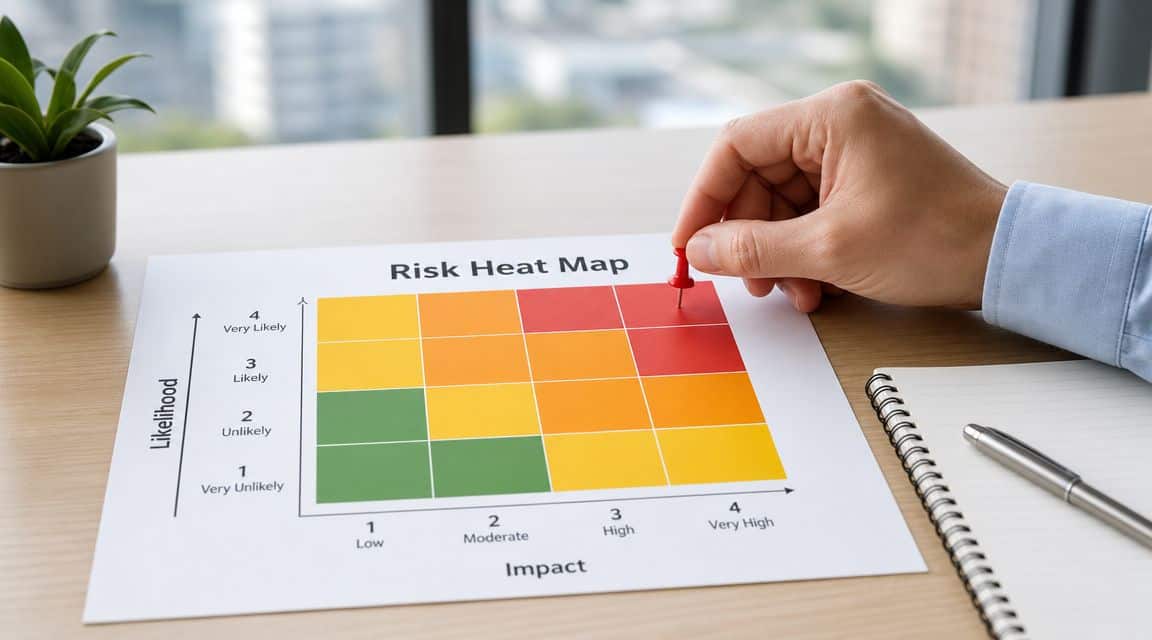
A finance director discovers a six-figure loss in Q4 and asks why internal audit did not spot it earlier. The usual answer is uncomfortable. The audit plan was built around last year’s timetable, not this year’s risks.
Risk-based planning starts with the exposures that could hurt the business now. That might be a change in systems, pressure on cash flow, a new supplier model, weak oversight after rapid growth, or tension in revenue recognition near period end. An audit plan that ignores those shifts will produce activity, but not much protection.
Where risk-based planning works best
This approach matters most in SMEs and mid-market firms because audit coverage is always limited. Every review you schedule carries an opportunity cost. If you spend time on low-risk cycles because they are familiar, you leave the areas with the highest fraud, dispute, or control-failure potential untested.
Start with the points where one control failure can turn into a material problem:
- Cash movement and payments: Review supplier onboarding, payment approvals, manual journals, bank detail changes, and dormant vendor reactivation.
- Revenue and contract terms: Test cut-off, credit notes, side agreements, rebates, and unusual transactions posted near period end.
- Third-party dependencies: Examine outsourced finance activity, IT service providers, payroll processors, and high-value suppliers with weak oversight.
- Cyber-linked finance controls: Check privileged access, workflow overrides, master data changes, and the ability to export sensitive data.
Practical rule: If a process could lead to fraud, a regulatory breach, or a disputed loss calculation, move it up the audit plan.
A forensic accountant also adds value in this area. The question is not only whether a control exists. The better question is whether it would fail under pressure, how it could be bypassed, and what evidence would remain if management later needed to investigate a fraud or defend a claim.
Good planning also depends on reporting lines. If audit priorities are shaped too heavily by the managers whose areas are under review, high-risk work gets pushed aside in favour of safer assignments. Clear governance and independent internal audit reporting lines help protect the plan from that kind of dilution.
In practice, the strongest plans are updated, not fixed. Revisit them when the business acquires a company, changes systems, loses key staff, enters a dispute, or sees signs of margin manipulation, stock shrinkage, or supplier complaints. That is how internal audit becomes more than a compliance exercise. It becomes an early-warning tool that helps the business spot fraud sooner and deal with financial disputes from a position of evidence.
2. Enforce Strict Independence and Objectivity
An internal audit report has little value if management can edit the story. I’ve seen businesses ask internal audit to “tone down” findings because the issue involves a high performer, a long-standing supplier, or a director’s pet project. That pressure destroys credibility.
Internal audit needs structural independence. If the function reports into the same executive team whose controls it is testing, uncomfortable findings can get softened, delayed, or buried. The board or audit committee must have a direct line to the audit lead, especially when fraud indicators or serious control failures emerge.
What independence looks like in practice
An independent audit function does a few things differently:
- Reports upward, not sideways: Significant findings go to the board or audit committee without being filtered through operational management.
- Keeps scope control: Management can provide context, but it shouldn’t rewrite the audit approach after fieldwork starts.
- Documents disagreements: If management disputes a finding, record the disagreement and the basis for the auditor’s conclusion.
That matters even more when a matter may turn into litigation, a disciplinary process, or an insurance dispute. The first challenge from the other side is often simple: “Was this review independent?” If you can’t answer that cleanly, the value of the work drops fast.
For a fuller explanation of reporting lines and governance, this guide on internal audit independence is worth reading.
Independence isn’t a formality. It’s what makes audit findings believable when the stakes rise.
A forensic accountant or expert witness accountant can work with internal audit outputs, but only if the work was objective enough to withstand scrutiny.
3. Leverage Data Analytics and Continuous Auditing
A finance director usually hears about a duplicate payment after the money has gone. The same applies to a late-night journal, a supplier bank detail change, or overtime claims that do not fit the pattern. By the time a quarterly sample picks it up, the cash may be out the door and the records may already have been altered.
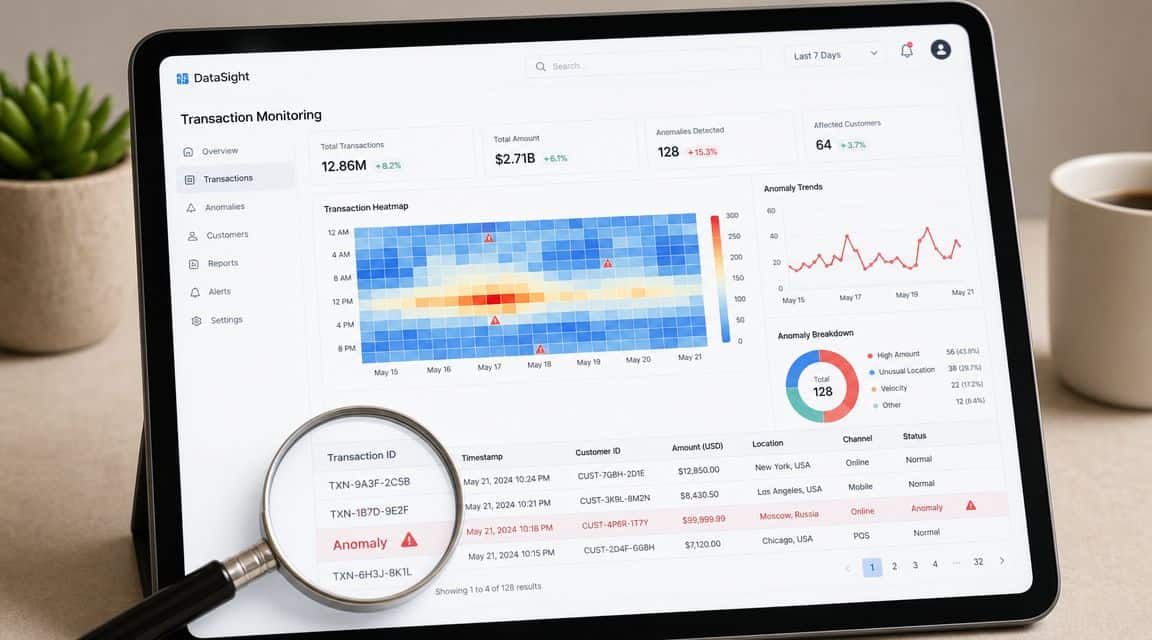
Sampling still has a place, but it misses the outlier that causes the actual loss. Data analytics helps internal audit test full populations, spot unusual behaviour earlier, and focus human review where the risk is highest. Used properly, it turns audit from a backward-looking check into an early warning process that can also support fraud investigations and dispute work.

Start with targeted tests, not a giant system project
The best results often come from a narrow start. Choose a few tests tied to known leakage points, run them regularly, and agree in advance who investigates exceptions. That last point matters. A dashboard without ownership is just noise.
Useful tests often include:
- Duplicate payments: Match invoice number, amount, date, and supplier name variations.
- Vendor master changes: Flag edits to bank details, addresses, or payment terms before the next payment run.
- Manual journals: Review entries posted outside normal hours, reversed quickly, or raised by unexpected users.
- Payroll exceptions: Identify duplicate bank accounts, inactive staff receiving pay, or overtime patterns that do not fit operational demand.
In my experience, this is the point where internal audit and forensic accounting start to overlap in a useful way. The same tests that help an audit team identify control failure can also preserve a clean evidential trail if the matter becomes a fraud investigation, shareholder dispute, insurance claim, or employee misconduct case.
Continuous auditing shortens the gap between event and detection. That changes the commercial outcome. It gives management a chance to stop further loss, freeze suspect transactions, retain system logs, and question the right people while the facts are still fresh. If fraud risk is part of your concern, this guide on how internal audits prevent fraud sets out where transaction testing tends to expose issues first.
There is a practical limit, though. More alerts do not automatically mean better control. Poorly designed rules generate false positives, waste management time, and train staff to ignore exception reports. Set thresholds that reflect the size and complexity of the business, then refine them after a few cycles.
Internal audit should also look beyond the ledger. Access logs, approval workflows, email evidence, and physical site controls often explain how a transaction slipped through. For firms reviewing site risk alongside financial controls, these essential UK business security insights are a useful reminder that prevention and detection need to work together.
4. Focus on Fraud Risk Assessment
Monday starts with a supplier query about an urgent payment. By Tuesday, finance cannot reconcile the approval trail. By Wednesday, the person who processed it is off sick and key emails have disappeared. That is how fraud risk tends to surface in real businesses. It rarely arrives labelled as fraud.
Internal audit should assess fraud risk as a distinct area of work, with different assumptions from ordinary control testing. Error testing asks whether a process breaks down. Fraud risk assessment asks how someone could bypass that process, conceal the breach, and keep the paperwork looking credible. That difference matters most in payments, procurement, payroll, expenses, rebates, journal entries, and third-party relationships.
A useful fraud review starts with motive, opportunity, and cover.
Test the control through a fraud lens
Ask direct questions that reflect how misconduct happens:
- Where can one person set up, amend, and approve a transaction or supplier record?
- Which controls depend on management trust instead of independent evidence?
- Where can supporting documents be altered, backdated, or replaced without challenge?
- Which manual journals, credit notes, or write-offs receive limited scrutiny?
- Which suppliers, agents, or contractors sit outside normal due diligence or ongoing review?
In many audits, the weakness is not the complete absence of control. The weakness is a control designed to catch mistakes, not deliberate manipulation. A manager sign-off may look adequate on paper, for example, but it adds little protection if the manager never checks bank detail changes against source evidence.
For a more specific look at transaction patterns and control failures that tend to surface early, see how internal audits prevent fraud. If your exposure also includes premises access, stock areas, or physical deterrence, these essential UK business security insights can support a wider prevention plan.
Fraud lens: Do not ask only, “Could this go wrong?” Ask, “How would someone make it look right while doing it wrong?”
This mindset represents the overlap between internal audit and fraud investigation services. A forensic accountant adds value when warning signs already exist and the business needs to preserve evidence, trace transactions properly, and assess whether the matter points to loss recovery, employee misconduct, insurance notification, or a wider dispute.
5. Maintain Rigorous Documentation Standards
Weak working papers ruin good audits. The conclusion might be correct, but if the file doesn’t show how the auditor got there, the finding becomes easier to challenge. That’s a serious problem in disputes, claims, and disciplinary matters.
Documentation should show the full chain. What risk was being tested. What records were obtained. Which exceptions were found. How management explained them. Why the auditor accepted or rejected that explanation. In forensic accounting, this is routine because evidence quality matters as much as the final opinion.
What good audit files include
A defensible file usually contains:
- Clear planning records: Scope, objectives, risk rationale, and testing strategy.
- Source evidence: System extracts, reconciliations, approvals, invoices, emails, and screenshots where relevant.
- Exception logs: A record of anomalies, follow-up questions, and unresolved points.
- Conclusion memos: A concise explanation of what the evidence supports and what it doesn’t.
When matters become contentious, poor records create avoidable doubt. Opposing lawyers, insurers, regulators, and counterparties will test gaps in the file before they test the mathematics.
The principle is simple and harsh. If the record doesn’t support the finding, the finding weakens. This article on why written evidence matters in audit and disputes captures that well.
For any business dispute accountant or expert witness accountant, disciplined documentation is the platform that allows later analysis to stand up.
6. Invest in Competence and Professional Development
A finance director often assumes the audit plan is sound because the team is diligent and the reports arrive on time. Then a fraud allegation lands, or a shareholder dispute turns hostile, and it becomes obvious the team could test controls but could not follow the money, challenge a persuasive explanation, or quantify the loss. That is a skills problem, not a process problem.
An internal audit function rarely fails for lack of effort. It fails because the team does not have the depth to handle what the business faces. Technical accounting matters. Systems literacy matters. Fraud awareness matters. Commercial judgement matters just as much.
As noted earlier, many audit teams still struggle to meet rising expectations around technology and analytics. In practice, that gap shows up in familiar ways. Unusual journal patterns are missed. Access rights are reviewed at a high level but not tested properly. Reports describe control design yet stop short of saying where the business is exposed and what the financial consequences could be.
Build a team that can investigate, not just test
Good internal auditors do more than complete work programmes. They need to read contracts closely, interrogate ledgers, understand user permissions, challenge management narratives, and recognise when an accounting issue may become a fraud investigation or a formal dispute.
That usually means hiring for a wider mix of capability:
- Accounting depth: Confidence with journals, reconciliations, estimates, provisions, and revenue recognition.
- Data skills: Ability to handle transaction exports, exception testing, and targeted analytics without relying entirely on IT.
- Fraud insight: Familiarity with concealment methods, override risk, related party indicators, and behavioural red flags.
- Clear reporting: Writing that helps boards, management, insurers, and lawyers understand the issue quickly.
There is a cost trade-off here. Smaller businesses do not need a full bench of specialists on payroll, and many groups would not use those skills every month. In those cases, co-sourcing is often the sensible option. Bring in forensic accounting support for higher-risk reviews, whistleblowing matters, post-acquisition concerns, or cases where losses may need to be measured properly.
Training should follow the risk profile of the business, not a generic annual CPD list. If the company has grown through acquisition, the team may need sharper skills in system access, delegated authority, and balance sheet risk. If margins are under pressure, revenue recognition, stock manipulation, and management override deserve more attention. If there is a realistic chance of litigation, auditors need to know how to preserve evidence and write findings that stand up under scrutiny.
Poor capability creates false reassurance. That is expensive, because weak audit work does not just miss control failures. It can also weaken the business’s position once fraud, loss, or a financial dispute has to be proved.
7. Align Controls with a Recognised Framework
A finance director discovers, late in the year, that three business units approve spend in three different ways. One follows policy. One relies on email chains. One lets senior staff override steps because “that is how we have always done it”. On paper, the group has controls. In practice, it has inconsistency, blind spots, and room for manipulation.
A recognised framework such as COSO gives that control environment a common structure. It helps management assess whether controls work together across the business, not just whether individual procedures exist. That matters because fraud, reporting errors, and shareholder disputes rarely arise from one missing approval. They usually stem from a weak overall environment, poor flow of information, unclear accountability, and weak monitoring.
Frameworks are useful because they force awkward but necessary questions. Who owns each risk. Whether delegated authority still reflects the current business. Whether system access matches job responsibilities. Whether monitoring identifies repeat exceptions or records them after the fact.
Used properly, a framework also helps separate design problems from operating failures. That distinction matters. A control may be sensible in theory but bypassed in practice. Equally, staff may follow a process consistently even though the process itself leaves obvious gaps.
This approach is particularly helpful where the business is dealing with:
- Rapid expansion: controls built for a smaller company often fail once decision-making spreads across sites, entities, or product lines.
- System change: new finance platforms, integrations, and workarounds can create access conflicts and weak audit trails.
- External scrutiny: lenders, investors, insurers, and buyers want evidence that controls are organised and tested, not described vaguely.
- Contentious situations: a framework-based review helps distinguish genuine control weakness from accusation, personality clash, or hindsight bias.
From a forensic perspective, this work has real strategic value. If allegations of misconduct emerge later, or a financial dispute turns on who knew what and when, the control framework becomes part of the evidence. It shows whether the business had a credible structure for authorisation, reporting, escalation, and oversight, or whether key safeguards were informal and easy to override.
That is why aligning controls to a recognised framework should not be treated as a box-ticking exercise. It is a practical way to spot control gaps early, reduce the scope for fraud, and put the business in a stronger position if concerns later develop into an investigation, insurance claim, or shareholder dispute.
8. Ensure Proactive Audit Committee Engagement
Internal audit loses force when it communicates only through formal reports. Boards need direct, timely conversations about risk, not just polished papers every few months. That is especially true when concerns involve misconduct, aggressive accounting, business continuity, or third-party failures.
Audit committees should hear early about control breakdowns, delayed remediation, recurring override behaviour, and any issue that may turn into a financial dispute or fraud investigation. If they hear only after management has framed the narrative, they are already behind the problem.
What effective engagement looks like
The strongest audit committee relationships usually include a few practical habits:
- Private sessions: The audit lead should meet the committee without management present when sensitive issues arise.
- Plain-English escalation: Directors need the commercial significance, not a technical recital.
- Challenge on overdue actions: Committees should ask why the same issue remains open and who owns the fix.
- Linkage to emerging risk: Cyber, AI governance, supplier dependence, and financial stress all belong in the conversation if they affect controls.
Boards don’t need more paper. They need an unfiltered view of where the business is exposed and whether management is fixing it.
This is one area where internal audit best practices often fail in smaller businesses. The audit work may be decent, but no one creates the forum where difficult findings can drive decisions. If there is no genuine escalation route, major issues can sit unresolved until a dispute, claim, or whistleblowing event forces them into the open.
9. Implement a Robust Follow-Up Process
Many internal audits die at the reporting stage. Findings get issued, management agrees in principle, target dates go into a spreadsheet, and nothing much changes. Six months later the same weakness still exists, usually with a new explanation.
A proper follow-up process closes that gap. Every action needs an owner, a deadline, and evidence of implementation. More importantly, audit should verify that the fix works in practice. A rewritten policy is not remediation if staff still bypass it.
Don’t track actions. Test outcomes.
This distinction matters. Businesses often treat remediation as an admin exercise, but recurring control failure usually means one of three things. The fix was weak, management never prioritised it, or the original finding understated the root cause.
Use follow-up work to answer questions like:
- Has the control changed in the system, or only on paper?
- Are staff following the revised process consistently?
- Did the exception rate drop after remediation?
- Does the board know where action has stalled?
For SMEs, this doesn’t need heavy bureaucracy. A short, disciplined review of priority findings is enough. Focus on the items most likely to lead to fraud, cash leakage, reporting error, insurance dispute, or legal exposure.
A forensic audit mindset helps here too. If a weakness was serious enough to create loss once, assume it can do so again until evidence proves otherwise.
10. Communicate Findings for Maximum Impact
A board pack lands on the table the day before a lender meeting. Buried on page 14 is an internal audit finding about weak approval controls over supplier changes. The issue is real, but the report describes it in audit language, not commercial terms. Management sees a process point. An experienced reader sees exposure to payment diversion, fraud loss, and a difficult argument if money has already left the business.
That gap in interpretation is where audit reports lose value.
Internal audit should make decisions easier. A strong report tells directors what happened, why it happened, how serious it is, and what it could cost if ignored. In practice, that means writing for the people who must act on the finding, not for the file.
Translate findings into business language
The strongest reports usually do four things:
- Prioritise by impact: Distinguish a control weakness that could lead to fraud, misstated accounts, covenant breach, or dispute from a lower-level housekeeping issue.
- Explain the mechanism of failure: Set out whether the problem arose from poor control design, management override, weak supervision, inadequate segregation of duties, or a system gap.
- Quantify the exposure where possible: Show the affected transactions, the potential value at risk, the period involved, and whether the weakness could have influenced prior decisions or reports.
- Set out a realistic response: Recommend action that fits the business, budget, and speed required. A perfect control that no one will implement is poor advice.
Forensic thinking sharpens the message. In a sensitive case, the report should not stop at saying a control failed. It should explain how that failure could be exploited, what evidence preserves the audit trail, and whether the issue may develop into a recovery action, insurance claim, shareholder dispute, or litigation.
Wording matters.
If a finding may later be tested by lawyers, insurers, regulators, or opposing experts, loose language creates problems. Terms such as “fraud”, “irregularity”, “control override”, and “suspected misappropriation” should reflect the evidence you hold. Overstate the point and management will fight the wording instead of fixing the risk. Understate it and the board may miss a serious financial exposure.
A useful discipline is to draft the executive summary as if it will be read aloud in a board meeting. Can a non-finance director understand the issue in one pass? Can the CFO see the financial consequence quickly? Can legal advisers follow the chain from control weakness to potential dispute without rewriting half the paper?
That is the standard worth aiming for.
Strong reporting gives internal audit influence because it connects evidence to action. It turns a technical finding into a business decision, and in higher-risk cases, it gives management a clearer basis for fraud response, loss containment, and formal dispute preparation.
Top 10 Internal Audit Best Practices Comparison
| Practice | 🔄 Implementation complexity | ⚡ Resource & efficiency | 📊 Expected outcomes | 💡 Ideal use cases | ⭐ Key advantages |
|---|---|---|---|---|---|
| 1. Adopt Risk-Based Audit Planning | Moderate, requires risk frameworks and adjusted planning | Focused resource allocation; moderate data and expert input | Prioritises high-risk areas; improved audit ROI and detection | Forensic-focused audits; organisations with diverse or changing risks | Targets greatest threats; improves value of audit work |
| 2. Enforce Strict Independence and Objectivity | Low structural change but high governance impact | Minimal direct cost; requires governance time and policies | More credible, defensible findings; stronger legal standing | Litigation support; high‑stakes or sensitive investigations | Preserves impartiality; increases trust and admissibility |
| 3. Leverage Data Analytics and Continuous Auditing | High, needs tools, integration, and analytical skills | High upfront investment; real-time efficiency gains over time | Faster detection; full‑population testing and stronger evidence | Transaction‑heavy environments; continuous fraud monitoring | Continuous detection; quantifies losses for claims/litigation |
| 4. Focus on Fraud Risk Assessment | Moderate, needs methodology and specialist mindset | Requires skilled investigators and time for deep analysis | Early identification of fraud schemes; targeted testing | Suspected fraud, procurement or payroll high‑risk areas | Proactive detection; informs forensic investigations |
| 5. Maintain Rigorous Documentation Standards | Low–Moderate, process discipline and templates required | Ongoing effort for thorough working papers; scalable benefit | Defensible audit trail; withstands legal and regulatory scrutiny | Litigation, insurance claims, regulatory reviews | Ensures credibility; provides admissible evidence |
| 6. Invest in Competence and Professional Development | Moderate, training programs and selective hiring | Ongoing investment in staff; improves long‑term efficiency | Higher detection capability; more reliable conclusions | Complex audits, forensic engagements, evolving threats | Builds sustainable expertise; reduces false assurance |
| 7. Align Controls with a Recognised Framework (e.g., COSO) | Moderate–High, control mapping and remediation work | Cross‑functional effort initially; standardisation saves time later | Cohesive control environment; clearer gap identification | Organisations seeking formal assurance and remediation | Structured, widely accepted approach to control design |
| 8. Ensure Proactive Audit Committee Engagement | Low, requires regular cadence and governance routines | Low ongoing resource; high oversight leverage | Timely escalation and board action on significant issues | Major control failures, suspected misconduct, governance reviews | Direct oversight channel; prevents issues being hidden |
| 9. Implement a Robust Follow-Up Process | Moderate, tracking systems and escalation policies needed | Requires monitoring resources; prevents recurrence | Higher remediation rates; sustained control improvement | Repeated issues, post‑remediation verification | Closes the audit loop; creates accountability |
| 10. Communicate Findings for Maximum Impact | Low, needs clear templates and stakeholder tailoring | Low effort with high return; needs communication skill | Greater management action and clearer decision‑making | Board reporting, dispute explanation, stakeholder updates | Drives action; translates complex findings into decisions |
Secure Your Business with Forensic-Led Auditing
A finance director spots an unexplained margin drop on Friday. By Monday, the question is no longer whether controls are working. It is whether cash has been lost, records can be trusted, and the board can act on the facts quickly.
That is the point at which internal audit proves its commercial value. Used properly, it helps a business identify losses early, test whether anomalies are error or misconduct, support difficult decisions, and preserve evidence that will withstand scrutiny if a dispute follows. Good internal audit does more than satisfy governance expectations. It gives management a clearer view of where money is at risk and what needs fixing first.
For many UK SMEs and mid-market firms, the practical constraint is not awareness. It is capacity. Audit teams are often small, management time is limited, and generic recommendations rarely survive contact with day-to-day operations. The better approach is targeted. Review the parts of the business where funds move, approvals can be bypassed, estimates affect reported performance, and pressure on staff creates opportunities for manipulation. Set reporting lines so serious concerns reach decision-makers quickly. Use analytics where they can isolate unusual payments, duplicate suppliers, revenue cut-off issues, or stock movements that do not fit the pattern.
The difference matters most when a matter turns contentious. Suspected fraud, unexplained losses, shareholder disagreements, insurance claims, director disputes, and litigation all require more than standard testing. They require evidence that can be traced, quantified, and explained clearly to lawyers, insurers, boards, and, in some cases, the court. Internal audit and forensic accounting work best together in these situations because one tests the control environment and the other examines what happened, how much it cost, and what proof will stand up under challenge.
Lighthouse Consultants is one option for businesses that need that combination of support. The firm works on forensic accounting, business disputes, fraud concerns, control failures, insurance claims, and other financially complex matters where an audit trail on its own is not enough. Bringing in forensic input early often reduces wasted time, preserves records before they are altered or lost, and helps management decide whether the issue calls for remediation, recovery action, disciplinary steps, or formal proceedings.
Timing matters.
The strongest moment to tighten internal audit is before a control weakness becomes a claim, a write-off, or a board-level dispute. The next best point is when warning signs first appear: unusual journals, missing documentation, margin swings, customer complaints that do not reconcile to the ledger, or payment patterns that nobody can explain with confidence.
If the numbers do not add up, treat that as a business risk, not just an accounting issue. An early, independent review can clarify the facts, protect evidence, and give leadership a practical route through a difficult situation.