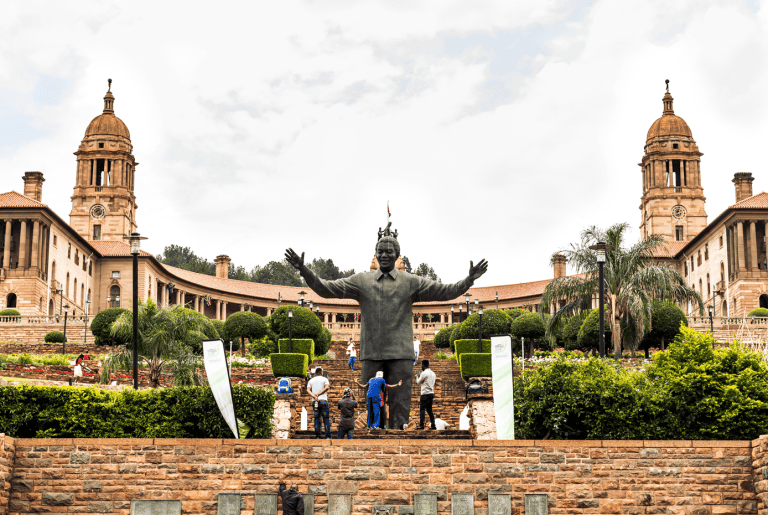
A white South African’s story
Part Two - The beginning of the end
South Africa – What happened?
My thirty-year career as a forensic accountant and internal auditor within South African government institutions has given me a front-row seat to this decline. Later, as a forensic investigator with Deloitte, I delved deep into the operations of local government, municipalities, and parastatals like Transnet, the transport utility. My audit and forensic work took me through ports, rail systems, and terminals, each investigation revealing layers of dysfunction and corruption that had slowly eaten away at our nation’s infrastructure.
Grass roots corruption
The municipality crisis presents a particularly poignant example of this decay. These local government institutions, from the smallest towns to the largest cities, have been systematically stripped of their ability to function effectively. The political structure places the African National Congress (ANC) at the helm, with elected officials serving as mayors, while the municipal offices are staffed by civil servants meant to provide continuity and professional administration.
A real story
Let me share a particularly revealing case from one of my forensic investigations in a small municipality. The mayor himself had requested the investigation, aware of the rampant fraud within his jurisdiction. The ANC’s operation revealed a disturbing pattern – they functioned not as a traditional political party but as a liberation movement that never truly transitioned to effective governance. Their modus operandi involved placing party loyalists in crucial positions, particularly in supply chain management, where they could manipulate tender processes to benefit party members.
My investigation took me to various project sites, where the reality of the fraud and blatant theft became painfully visible. One particularly egregious example involved a sporting facility upgrade project. Upon inspection, I discovered that the supposedly “new” tennis court was merely the old facility with a fresh coat of paint. The deception was blatant – millions had been allocated for new construction, yet only cosmetic changes had been made.
The township investigations revealed even more shocking discoveries. High-post lighting projects, meant to improve security in vulnerable areas, existed only on paper. My photographs documented empty holes where expensive light posts should have stood. Road construction projects showed the same pattern – dirt tracks remained where tarred roads should have been, despite substantial payments being made to contractors.
How it works
The corruption mechanism was disturbingly simple yet effective. A compromised appointee – in one case, an alcoholic who could barely function – would manipulate tender processes, directing contracts to party-connected suppliers. The money would flow through these suppliers and eventually find its way back to party coffers for distribution. This wasn’t happening only in big cities, but also in municipalities the size of a modest English village. The implications for larger cities were staggering, and indeed, major municipalities like Durban and Pietermartizburg now face bankruptcy, requiring central government bailouts.
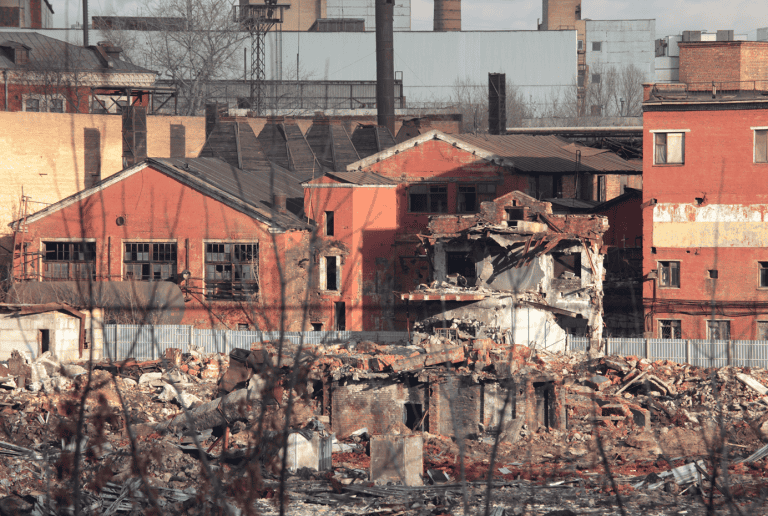
Infrastructure destroyed
The deterioration of Transnet’s infrastructure tells a similar tale of neglect and mismanagement. The once-proud Durban ports, previously among the finest in the Southern Hemisphere, have become dangerous and inefficient. Basic infrastructure maintenance has been neglected, creating hazardous conditions for workers and users alike. The terminal facilities have deteriorated to such an extent that some operations have been forced to relocate, while others struggle with crumbling infrastructure and walls literally falling apart.
My experience with the Ports Regulator during tariff negotiations in 2008-2009 highlighted the absurdity of the situation. Transnet proposed a 35% tariff increase while providing increasingly poor service. My analysis suggested that negative pricing would have been more appropriate, given the declining service quality. The consequence? Ships began diverting to Mozambique’s ports, abandoning what was once one of the Southern Hemisphere’s premier harbour facilities.
Taking it all with putting back
The root cause of this infrastructure crisis lies in the systematic misappropriation of capital meant for future development. In any large-scale infrastructure operation, whether it’s power stations, ports, or roads, continuous investment is crucial. Infrastructure has a finite lifespan – power stations need replacement after about 30 years, roads require regular maintenance, and ports need constant upgrading to remain competitive. The only exception to this pattern of decay has been the privatised toll roads, which continue to function effectively.
No power
The tragedy at Eskom perfectly illustrates this pattern. The utility’s failure to invest in new power plants wasn’t due to oversight or incompetence – it was the result of systematic fund diversion to benefit the ruling party. This pattern repeated across other parastatals like South African Airways and Transnet. The consequences of this three-decade-long asset stripping are now painfully evident in the country’s crumbling infrastructure and unreliable services.
It’s crucial to understand that this decline isn’t rooted in racism or inherent cultural differences. Rather, it’s the result of poor leadership and systematic corruption. The vast majority of South Africans, regardless of their background, are hardworking people who simply want to provide for their families and build a better future.
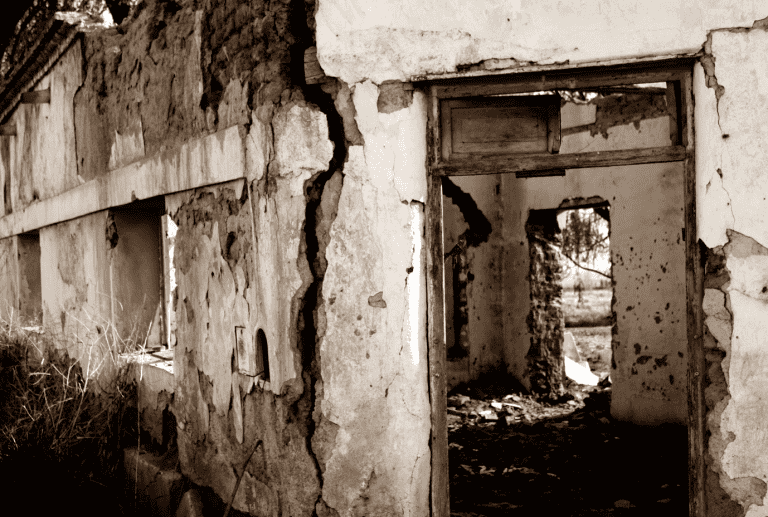
Divide and conquer
Perhaps most troubling has been the deliberate strategy of division that has replaced the unity of our rainbow nation. The ‘divide and conquer’ approach has fractured our society, creating artificial barriers between communities that once celebrated their diversity together. However, I remain cautiously optimistic. The fundamental goodness of the South African people endures, and there’s a growing recognition that change is not just desirable but essential.
Part Three - New beginnings
The country stands at a crucial crossroads. While the current state of affairs is deeply concerning, there’s still hope for renewal and regeneration. What South Africa needs now is principled leadership and a complete transformation of its governance structures. This change must happen soon to prevent further decline, but I believe it will come. The spirit of unity and progress that marked the early days of our democracy isn’t dead – it’s merely waiting to be rekindled by the right combination of leadership and popular will.
Despite all the challenges, I maintain a positive outlook for South Africa’s future. The resilience of its people, the enduring spirit of ubuntu, and the lessons learned from both our successes and failures provide a foundation for rebuilding. The country’s potential remains vast, and with the right leadership and a return to the principles of unity and shared purpose that marked our transition to democracy, South Africa can once again become a beacon of hope.
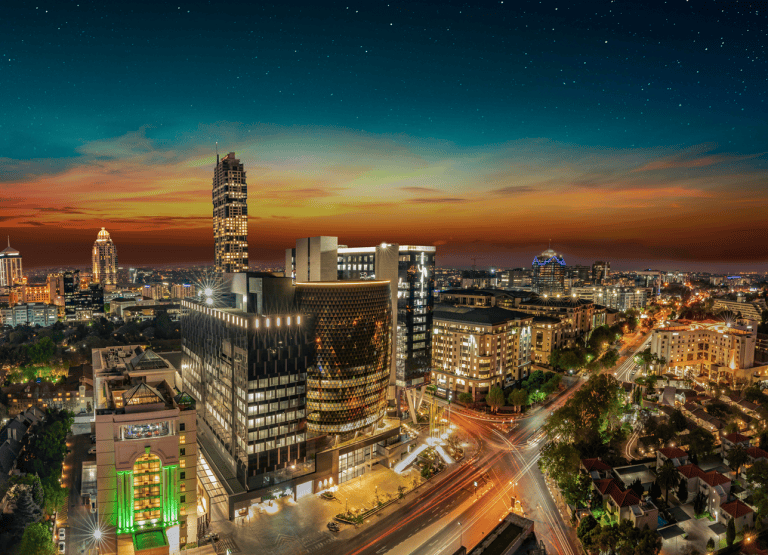
Click on the link for an article on the effect of corruption within South Africa.
Our role in business interruption insurance claims is focused on the financial analysis and quantification of loss, rather than overall claims handling or policy coverage advice. We assist by reviewing accounting records and management information, analysing turnover and gross profit trends, considering trading patterns and pre-loss performance, quantifying loss arising from the interruption, assessing relevant savings and additional expenditure from a financial perspective, and preparing clear schedules and supporting analysis for insurers, loss adjusters, solicitors, or insured parties. Our work is informed by recognised market guidance and practice reflected in resources from the Financial Conduct Authority, the Chartered Institute of Loss Adjusters, and the Association of British Insurers. We do not act as loss adjusters, determine policy indemnity, or provide legal advice on coverage.