A white South African’s story - Part One - The beginning by Kingsley Bye
Introduction
After the South African delegation’s recent visit to the White House last week, it truly ignited a profound discussion about the pressing need for transformative change in South Africa. I feel compelled to share my personal story, offering you a glimpse through the lens of my experiences as a white South African who lived through the tumultuous apartheid era, witnessed the hopeful transition, and now observes the heart-wrenching decay of a once-promising nation. This also includes my observations as an internal auditor and forensic accountant.
The apartheid era
Growing up during apartheid, I was fortunate to be raised in a household where humanity came first and racial segregation was unthought of. My father, a remarkable man whose actions spoke louder than words, worked tirelessly in the townships, building relationships with non-white retailers for a local supermarket chain. Our home was a testament to his principles – a vibrant tapestry of friendships that transcended racial boundaries, welcoming black and Indian friends as cherished equals. At the time, my young mind couldn’t fully grasp the monumental significance of my father’s actions – how his simple act of acknowledging the humanity in every person he met was a radical stance against the dehumanising system of apartheid. The depth of respect and regard he earned during those dark days of disenfranchisement was truly extraordinary. The thought of being denied recognition as a human being, of having your voice silenced and your existence diminished, still sends shivers down my spine. When my father passed away in the early 1990s, the outpouring of grief was overwhelming. The church couldn’t contain the multitude of mourners, predominantly non-white individuals, who came to pay their respects to a man who had granted them the simple yet profound gift of recognition and dignity.
The dawn of democracy
The dawn of democracy in South Africa brought with it an intoxicating wave of optimism and unity. The early 1990s marked the birth of our rainbow nation, a term that captured the beautiful diversity of our people coming together as one. The celebration reached its crescendo with the magical moment when Nelson Mandela, donning the Springbok jersey, presented the Rugby World Cup trophy in 1995. It was more than just a sporting victory; it was a powerful symbol of reconciliation, of a nation healing its deep wounds. The Truth and Reconciliation Commission, though controversial, provided a platform for acknowledgment and forgiveness, attempting to bridge the chasm created by decades of oppression. Those were heady days filled with promise and possibility.
Reconstruction and Development
My professional journey as an internal auditor with Eskom, the national electricity utility, coincided with this period of hope and progress. We took immense pride in providing the cheapest electricity in the world. The Reconstruction and Development Programme (RDP) emerged as a beacon of hope, promising basic services – housing, water, and electricity – to every South African. Working at Eskom, I witnessed first-hand the tangible impact of this initiative. Even in the humblest dwellings, the sight of electrical wires stretching to tin shacks represented more than just power connection – it symbolised dignity, progress, and the fulfilment of long-denied basic human rights.
What happened?
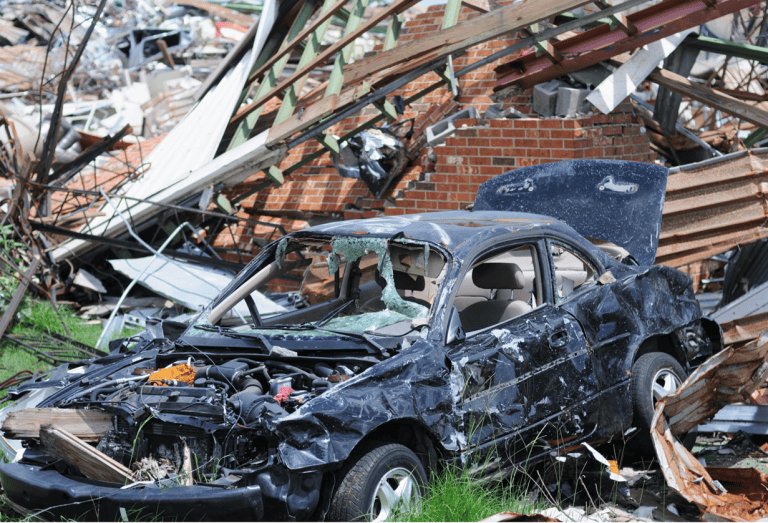
The stark contrast between then and now is heart-wrenching. Today’s South Africa grapples with the most expensive electricity rates globally, coupled with a severely compromised power supply system. The daily reality of load shedding – prolonged power outages lasting four to five hours a day – has become a crushing burden on both businesses and households. This deterioration didn’t happen overnight; it’s a story of systematic decay that I’ve witnessed unfold over decades.
The next chapter tells more of how South Africa has been brought to it’s knees and my experiences as a forensic accountant and auditor.