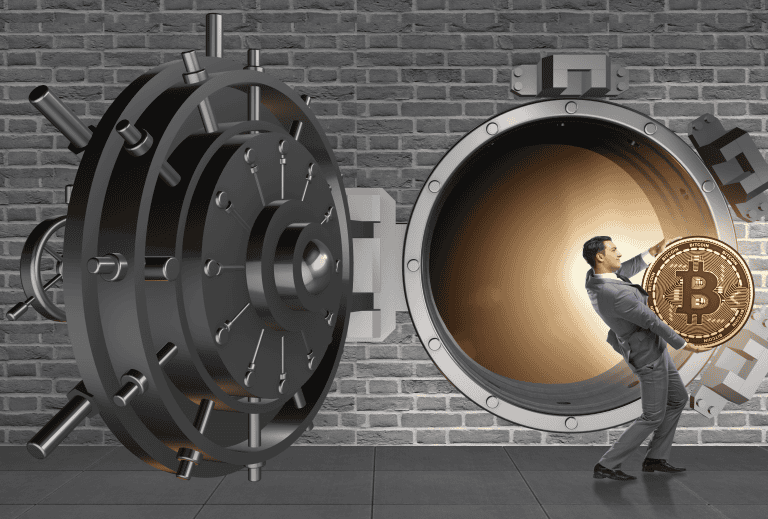
The Rise and Reality of Cryptocurrency Fraud - Part One
The Rise and Reality of Cryptocurrency Fraud. Forensic accountants can help.
As the world becomes increasingly digital, the rise of cryptocurrencies has brought with it a new frontier of financial opportunities and challenges. While the promise of decentralized, secure, and transparent transactions has captivated many, the dark underbelly of cryptocurrency fraud has emerged as a growing concern. In this article, we’ll delve into the complex and ever-evolving world of cryptocurrency fraud, exploring its rise, common types, detection methods, and strategies for prevention and investigation.
Introduction to Cryptocurrency Fraud
Cryptocurrency fraud, at its core, is the exploitation of the digital currency ecosystem for illicit gain. It encompasses a wide range of malicious activities, from hacking exchanges and stealing digital assets to creating elaborate Ponzi schemes and manipulating the market. As the cryptocurrency market continues to expand, the potential for fraud has grown exponentially, posing a significant threat to both individual investors and the broader financial system.
The Rise of Cryptocurrency Fraud
The rapid growth and widespread adoption of cryptocurrencies have created a perfect storm for fraudsters. The anonymity and decentralized nature of these digital assets, coupled with the relative newness of the technology, have made it easier for criminals to operate in the shadows. Additionally, the lack of comprehensive regulatory frameworks in many jurisdictions has allowed fraudulent activities to thrive, further fueling the rise of cryptocurrency fraud.
Common Types of Cryptocurrency Fraud
Cryptocurrency fraud manifests in various forms, each with its own unique characteristics and methods. Some of the most prevalent types include:
- Ponzi Schemes: These fraudulent investment schemes promise unrealistic returns to early investors, using funds from new participants to pay off the initial investors.
- Pump-and-Dump Scams: Fraudsters artificially inflate the price of a cryptocurrency through coordinated buying and then sell their holdings, causing the price to plummet and leaving unsuspecting investors with significant losses.
- Phishing Attacks: Criminals create fake websites or communications that appear legitimate, tricking users into revealing their login credentials or private keys, allowing the fraudsters to access and steal their cryptocurrency holdings.
- Exchange Hacks: Cybercriminals target cryptocurrency exchanges, exploiting vulnerabilities in their security systems to gain unauthorized access and steal digital assets.
- Fraudulent Initial Coin Offerings (ICOs): Scammers create fake cryptocurrency projects and ICOs, promising unrealistic returns to lure investors, only to disappear with the funds once the sale is complete.
Click on the link to see news on recent Crypto fraud.
Our cyber risk services are focused on risk identification, assessment, and control review, rather than managed IT security or technical remediation. We assist clients by reviewing cyber governance arrangements, assessing key cyber risks and control gaps, considering policies, access controls, incident response readiness, third-party risk, and business continuity dependencies, and providing practical recommendations to strengthen resilience. Our approach is informed by recognised frameworks including the National Cyber Security Centre Cyber Assessment Framework, the NIST Cybersecurity Framework 2.0, and ISO/IEC 27001. We do not provide penetration testing, managed detection and response, or outsourced IT security operations.